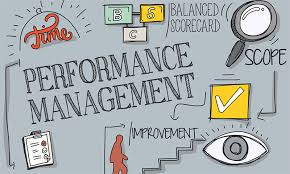
If you want an effective and efficient performance management process, make sure your comprehensive performance management template includes these 10 key components:
- Clear objectives and goals: Work with employees to set
clearly defined objectives and goals, providing clarity and direction and
making sure they understand what is expected and how their work
contributes to the organization’s success.
- Performance metrics: These are quantifiable measures
to assess progress and outcomes related to defined goals and offer an
objective basis for evaluating performance, supporting fair and consistent
assessments.
- Role-specific competencies: Make sure the template includes
sections for competencies specific to an employee’s role, such as
technical skills, leadership qualities, or problem-solving abilities. Your
goal is to tailor the focus of the performance management process to the
unique demands of the position, resulting in a more relevant and
actionable feedback and plan.
- Development plans and resources: This is a dedicated section for
outlining skill-building initiatives, training needs, and career
growth opportunities. It supports employee development, helping
individuals address performance gaps and achieve long-term career
objectives. Also, include resources and support that the employee needs
for this development.
- Employee self-assessment: An employee’s reflection on their
own performance and opportunities for growth is an important part of
performance management and should have dedicated space in your
template.
- Collaboration and teamwork
assessment:
Evaluate an employee’s contributions to team success and their ability to
work collaboratively to highlight the importance of teamwork and ensure
that interpersonal skills are part of the performance discussion.
- Challenges and obstacles: Document any barriers or
challenges the employee faces that may impact performance. This will
provide context for performance reviews and help identify
organizational or role-specific areas needing improvement.
- Evaluation timeline and feedback: A schedule or section to document
when reviews, check-ins, and progress updates will take place ensures the
performance management process is ongoing and prevents delays or missed
evaluations.
- Recognition and achievements: Include a dedicated area for
acknowledging accomplishments, milestones, and exceptional contributions.
Formally recognizing positive performance boosts morale and motivation.
- Future goals and next
steps:
Finally, include a forward-looking section to set goals for the next evaluation
period and outline a roadmap for achieving them. This is not a once-off
process, and success is achieved through continuous improvement.