When people think of Human Resources (HR), they often imagine hiring interviews and payroll paperwork
How an HR Team Works: A
Complete Guide to the Human Resource Lifecycle
When people think of Human
Resources (HR), they often imagine hiring interviews and payroll paperwork. In
reality, HR is one of the most strategic functions in any organization. A
strong HR team doesn’t just manage employees—it shapes company culture, drives
performance, and fuels long-term growth.
This blog walks you through how
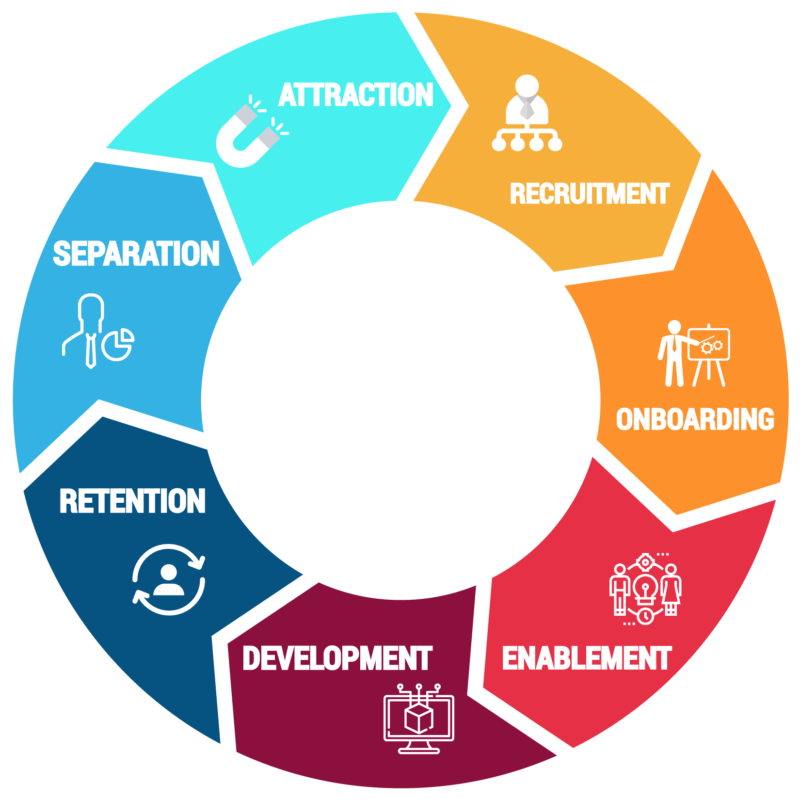
an HR team works step by step, following the complete employee
lifecycle—from planning the workforce to using data for continuous improvement.
1. Manpower Planning: Laying
the Foundation
Every successful organization
starts with a plan, and in HR, that plan is manpower planning.
What It Means
Manpower planning is the
process of identifying how many employees are needed, what skills they must
have, and when they are required to meet business objectives.
Key Responsibilities
- Analyzing current workforce capacity
- Identifying skill gaps
- Forecasting future hiring needs
- Aligning talent plans with business
strategy
Why It’s Important
Without proper planning,
companies risk overstaffing, understaffing, or hiring the wrong talent.
Manpower planning ensures resources are used efficiently while preparing the
organization for future growth.
2. Recruitment &
Selection: Finding the Right Fit
Once workforce needs are
identified, the next step is recruitment and selection.
What It Means
This stage focuses on
attracting, assessing, and hiring candidates who have both the required skills
and the right cultural fit.
Key Responsibilities
- Creating clear and engaging job
descriptions
- Sourcing candidates through job portals,
referrals, and social platforms
- Screening resumes and conducting
interviews
- Coordinating with hiring managers for
final selection
Why It’s Important
Hiring the right employees
reduces turnover, boosts productivity, and strengthens team morale. Recruitment
is not just about filling vacancies—it’s about building a strong future
workforce.
3. Onboarding & Training:
Turning Hires into High Performers
Hiring doesn’t end with a job
offer. Onboarding and training determine how quickly and effectively new
employees contribute.
What It Means
Onboarding introduces new
hires to the company’s culture, policies, and expectations, while training
equips them with the skills needed to succeed.
Key Responsibilities
- Conducting orientation and induction
programs
- Assigning mentors or buddies
- Providing role-specific and soft-skills
training
- Creating learning and development
schedules
Why It’s Important
A positive onboarding
experience increases employee confidence, engagement, and retention.
Well-trained employees perform better and adapt faster.
4. Performance Management:
Encouraging Growth and Excellence
Performance management ensures
employees stay aligned with organizational goals while continuously improving.
What It Means
This process focuses on
setting expectations, tracking progress, and providing feedback to help
employees grow.
Key Responsibilities
- Setting goals and key performance
indicators (KPIs)
- Conducting performance appraisals
- Providing constructive feedback
- Recognizing and rewarding high performers
Why It’s Important
Regular feedback and
recognition keep employees motivated and accountable, leading to better
individual and organizational performance.
5. Employee Engagement &
Relations: Building a Positive Workplace
A productive workforce is also
a happy and engaged one.
What It Means
Employee engagement focuses on
creating a supportive, inclusive, and motivating work environment.
Key Responsibilities
- Organizing engagement activities and team
events
- Conducting employee satisfaction surveys
- Handling grievances and conflict
resolution
- Promoting work-life balance and wellness
initiatives
Why It’s Important
Engaged employees are more
loyal, innovative, and productive. A positive workplace culture reduces burnout
and improves retention.
6. HR Analytics &
Continuous Improvement: Smarter Decisions Through Data
Modern HR goes beyond
intuition—it relies on data and analytics.
What It Means
HR analytics involves
collecting and analyzing employee data to improve HR strategies and processes.
Key Responsibilities
- Tracking metrics like turnover,
engagement, and performance
- Analyzing trends and patterns
- Identifying areas for improvement
- Supporting strategic decision-making
Why It’s Important
Data-driven HR enables smarter
planning, better employee experiences, and continuous organizational
improvement.
The Bigger Picture: HR as a
Strategic Partner
When all these stages work
together, HR becomes more than a support function—it becomes a strategic
business partner. From hiring the right talent to nurturing growth and
engagement, HR plays a crucial role in shaping an organization’s success.
Final Thoughts
An effective HR team manages
the entire employee lifecycle with care, strategy, and insight. By combining
people skills with data-driven decisions, HR helps organizations build not just
a workforce—but a thriving workplace.
Whether you’re a student, an
HR professional, or a business leader, understanding how an HR team works
provides valuable insight into what makes organizations truly successful.