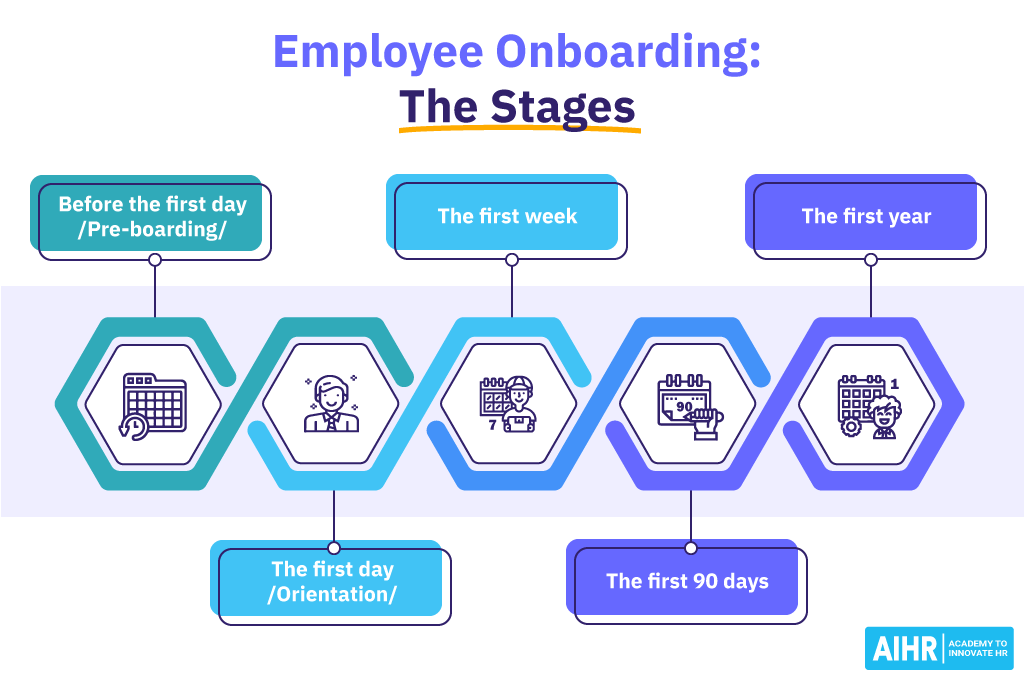
The journey of employee engagement and performance begins long before an employee becomes fully productive
Introduction
The journey of employee engagement and
performance begins long before an employee becomes fully productive. The first
90 days of employment represent one of the most critical phases in the employee
lifecycle, shaping perceptions about the organization, influencing engagement
levels, and determining long-term retention. A well-structured onboarding
process helps new employees transition smoothly into their roles, understand
organizational expectations, and become productive contributors more quickly.
Organizations that invest in effective onboarding
create stronger employee experiences, reduce early attrition, and establish a
foundation for sustained performance and commitment.
Understanding
Onboarding
Onboarding is a strategic process that integrates
new employees into the organization by providing them with the knowledge,
resources, relationships, and support necessary to succeed in their roles and
adapt to the organizational culture.
Effective onboarding extends beyond completing
joining formalities and paperwork. It encompasses orientation, role
clarification, cultural integration, training, performance expectations, and
continuous support during the employee's initial months.
Why the First 90
Days Matter
The first three months often determine whether an
employee develops confidence, engagement, and commitment or experiences
uncertainty and disengagement.
During this period, employees seek answers to
important questions:
· What
are my responsibilities and expectations?
· How
does the organization operate?
· Who
can support me when challenges arise?
· How
will my performance be measured?
· What
opportunities exist for growth and development?
The organization's ability to answer these
questions directly impacts employee satisfaction and retention.
Business Impact
of Effective Onboarding
Faster Time to
Productivity
Structured onboarding accelerates learning and
enables employees to contribute effectively in a shorter period, reducing the
productivity gap associated with new hires.
Improved Employee
Retention
Many organizations experience significant
employee turnover within the first year of employment, often due to inadequate
onboarding experiences. Effective onboarding strengthens employee commitment
and reduces early attrition.
Higher Employee
Engagement
Employees who receive proper support, training,
and guidance during their initial months develop stronger emotional connections
with the organization.
Stronger
Organizational Culture
Onboarding provides an opportunity to communicate
organizational values, mission, expectations, and behavioral standards, helping
employees align with company culture.
Better Compliance
and Risk Management
Proper onboarding ensures employees understand
workplace policies, safety procedures, ethical standards, and legal
requirements from the beginning.
Key Components of
an Effective 90-Day Onboarding Program
Pre-Boarding:
Before Day One
The onboarding experience should begin before the
employee's first working day.
Activities may include:
· Issuing
appointment and joining documentation.
· Sharing
company information and organizational structure.
· Preparing
workstation, system access, and equipment.
· Communicating
reporting details and joining instructions.
· Assigning
mentors or onboarding buddies.
This preparation creates a positive first
impression and reduces first-day anxiety.
Phase 1: Days
1–30 – Orientation and Integration
The first month should focus on helping employees
understand the organization and their immediate responsibilities.
Key activities include:
· Welcome
and induction programs.
· Introduction
to teams and key stakeholders.
· Company
policies and compliance training.
· Safety
and workplace orientation.
· Initial
role-specific training.
· Clarification
of performance expectations.
The objective during this phase is to build
familiarity and confidence.
Phase 2: Days
31–60 – Learning and Contribution
Once employees understand the basics, attention
should shift toward skill development and independent contribution.
Activities may include:
· Advanced
job training.
· Process
and system familiarization.
· Participation
in projects and assignments.
· Regular
feedback sessions with managers.
· Performance
coaching and mentoring.
Employees should begin taking ownership of their
responsibilities during this period.
Phase 3: Days
61–90 – Performance and Alignment
The final stage focuses on strengthening
performance, accountability, and long-term integration.
Key activities include:
· Performance
discussions and review meetings.
· Goal
setting and development planning.
· Identification
of training needs.
· Feedback
collection regarding onboarding experience.
· Career
path discussions and future expectations.
By the end of 90 days, employees should be
capable of functioning independently and confidently within their roles.
Role of Managers
in Successful Onboarding
Managers play a decisive role in determining
onboarding success. While HR coordinates the process, direct supervisors
influence the day-to-day experience of new employees.
Managers should:
· Conduct
regular check-ins.
· Provide
timely feedback.
· Clarify
expectations and priorities.
· Encourage
open communication.
· Recognize
early achievements.
· Facilitate
team integration.
Employees often leave managers rather than
organizations, making managerial involvement essential during onboarding.
Technology and
Digital Onboarding
Modern organizations increasingly use digital
onboarding platforms to improve efficiency and employee experience.
Examples include:
· Electronic
document management.
· Learning
management systems.
· Automated
workflow tracking.
· Employee
self-service portals.
· Digital
induction modules.
Technology enables consistency while allowing HR
teams to focus on relationship building and support.
Onboarding in
Manufacturing and Industrial Organizations
For manufacturing organizations, onboarding
carries additional importance due to safety, operational complexity, and
regulatory requirements.
A manufacturing onboarding program should
include:
· Plant
safety induction.
· Personal
protective equipment training.
· Emergency
response procedures.
· Quality
management systems.
· Machine
and equipment familiarization.
· Shift
operations and reporting structures.
· Shop
floor discipline and compliance expectations.
Employees who understand safety and operational
standards early contribute to reduced incidents and improved productivity.
Measuring
Onboarding Effectiveness
Organizations should evaluate onboarding outcomes
using measurable indicators such as:
· New
hire retention rate.
· Time
to productivity.
· New
employee engagement scores.
· Training
completion rates.
· Manager
satisfaction levels.
· Probation
confirmation success rate.
· Feedback
from new employees.
Continuous measurement enables organizations to
refine onboarding practices and improve employee experiences.
Conclusion
The first 90 days of employment establish the
foundation for employee engagement, productivity, and long-term success.
Effective onboarding transforms new hires into confident and committed
contributors by providing the support, knowledge, and resources required for
success.
Organizations that view onboarding as a strategic investment rather than an administrative process gain significant advantages in retention, performance, and employer reputation. In today's competitive talent market, a strong onboarding experience is not simply a welcome process—it is the beginning of a successful employee journey.